
Skip to content
resilient-landscapes-coalition-house-icon

HOUSE

start with your home
resilient-landscapes-coalition-landscape-icon

LANDSCAPE

design a native &
fire-wise landscape

sustainable-defensible-space-plants

PLANTS

understand your environment

resilient-landscapes-coalition-surrounding-wildland-urban-interface-icon

SURROUNDING
WILDLANDS

critical ecosystem services

resilient-landscapes-coalition-house-icon

HOUSE

start with your home

resilient-landscapes-coalition-landscape-icon

LANDSCAPE

design a native &
fire-wise landscape
sustainable-defensible-space-plants

PLANTS

understand your environment

resilient-landscapes-coalition-surrounding-wildland-urban-interface-icon

SURROUNDING
WILDLANDS

critical ecosystem services

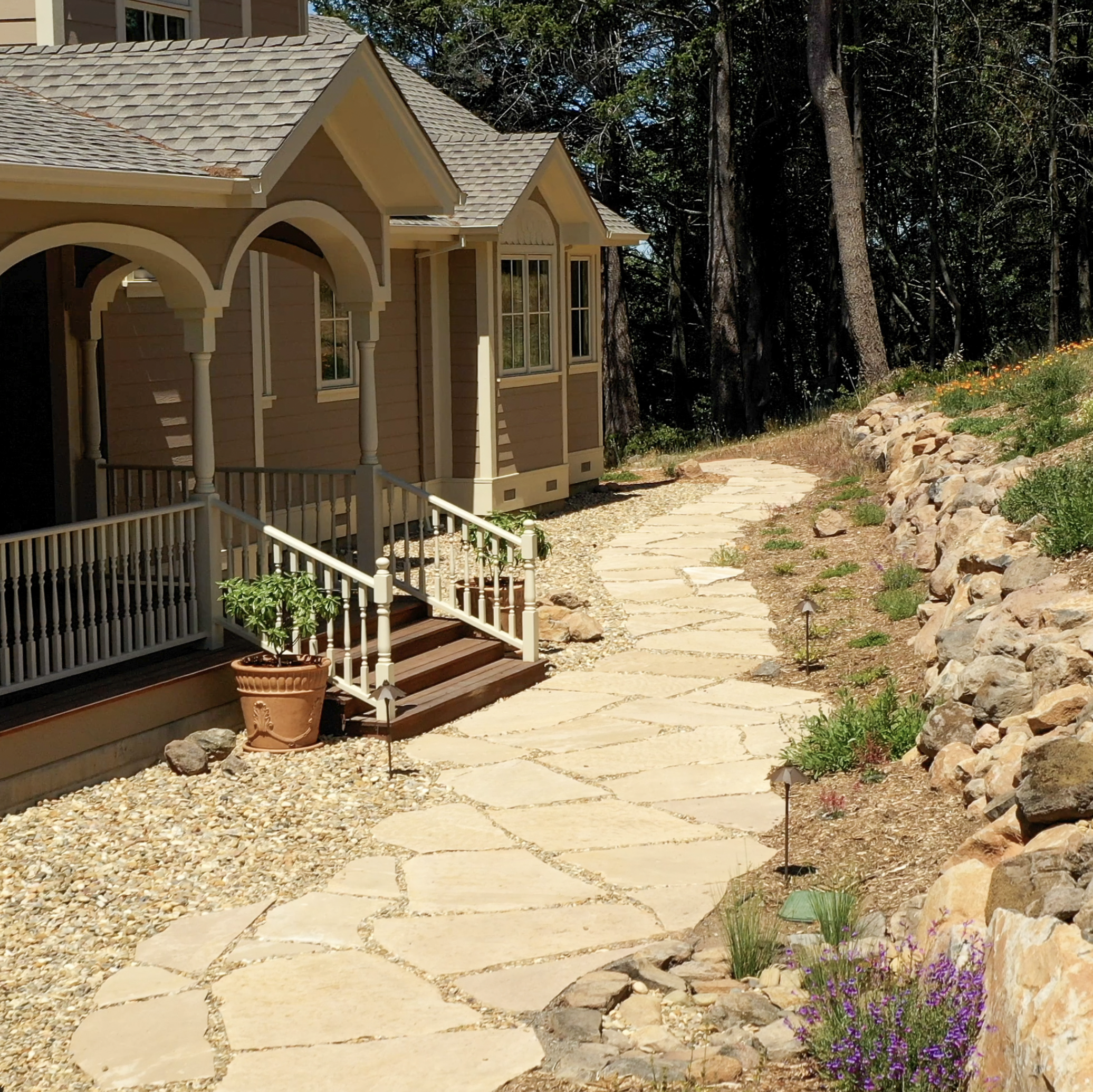
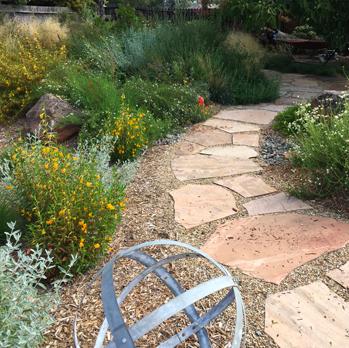
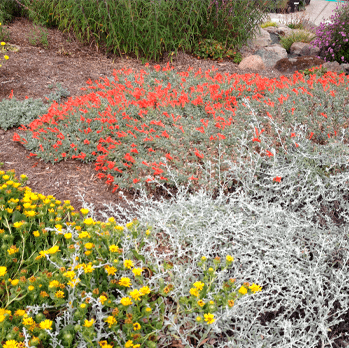
A resilient landscape is fire-wise, water wise and promotes biodiversity by using California native plants. These gardens use sustainable practices, plant selection, and maintenance to reduce the risk of fire in the defensible space zone. Resilient gardens save water, protect us from fire and promote biodiversity.
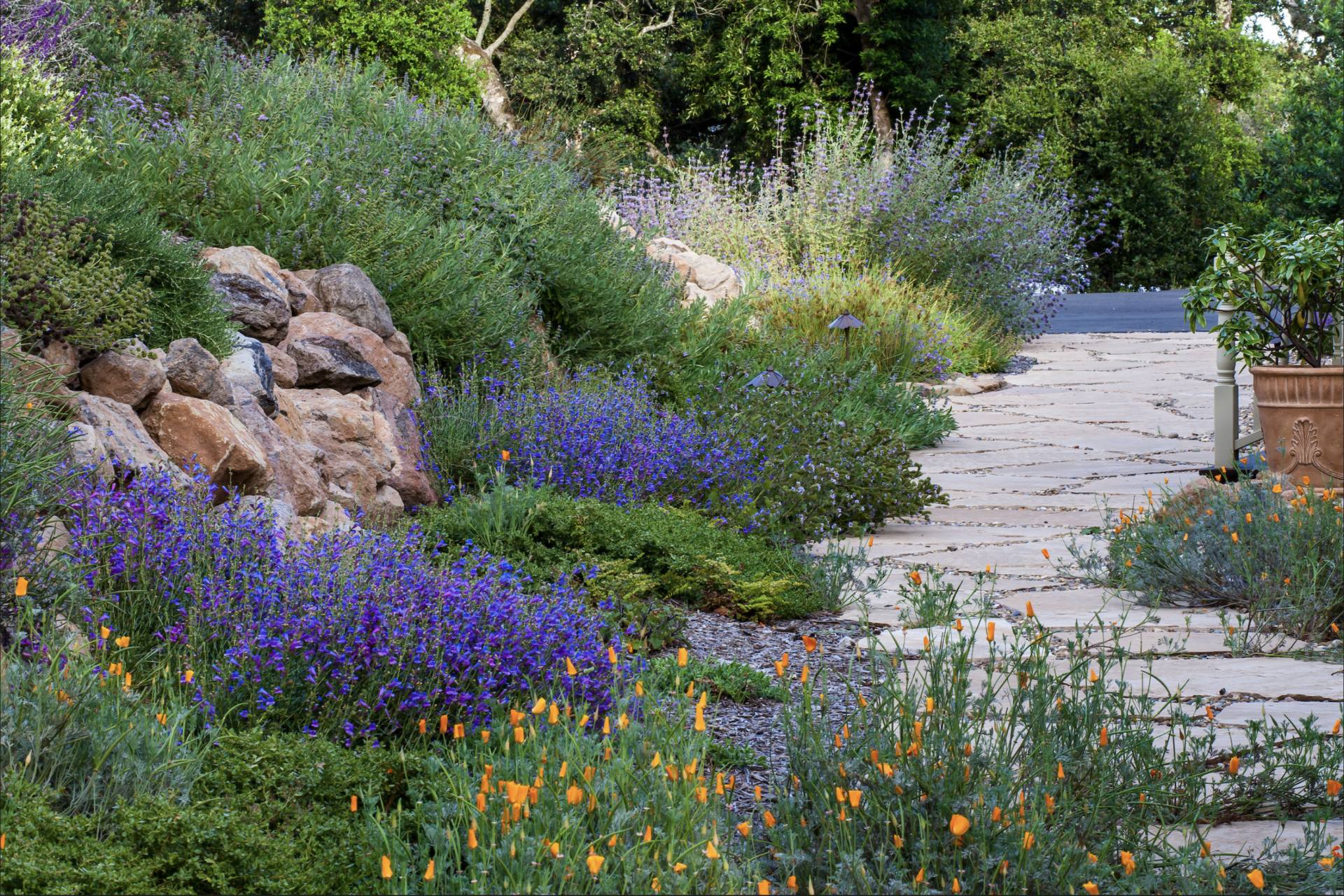

Design by April Owens, photo by Saxon Holt/PhotoBotanic

Design by April Owens, photo by Saxon Holt/PhotoBotanic

The Resilient Landscapes Coalition provides practical information to homeowners, landscape professionals, and defensible space inspectors about implementing defensible and resilient landscapes in the 0-100 foot zone around the home, based on the best scientific research and gardening expertise. Many homeowners believe that defensible space requires extensive clearing of trees and shrubs. The result may be unattractive, bare landscapes that invite invasive, fire prone plants. Others may feel overwhelmed to the point of inactivity, and intimidated by the possibility of creating a “moonscape”. 

Fire-wise landscaping integrates proper plant selection, placement and maintenance, with features such as retaining walls, paths, fencing, and open areas to reduce a property’s vulnerability to wildfire. Careful planning and design will reduce the possibility of ignition, lower fire intensity, and slow the spread of fire – all factors which will increase a home’s survivability during a wildfire.

Sign up below stay informed on Resilient Landscapes Coalition events and to receive newsletters with resilient landscaping tips!

Subscribe

* indicates required

Intuit Mailchimp

Announcements

The Resilient Landscapes Coalition has an upcoming free bilingual webinar series: Resilient Landscaping: Gardening in the Defensible Space Zone FourPart Weekly Series. These workshops will occur on Tuesday evenings, June 9th, 16th, 23rd, & 30th, from 5:30-6:30pm.

Registrants will learn how to create and maintain a firewise, sustainable garden that supports biodiversity while meeting County code requirements. We’ll help registrants navigate the new and updated California Zone 0 guidelines, including considerations for trees, existing landscapes, plant placement, and maintenance, to preserve and even enhance wildlife habitat, while keeping properties and neighborhoods firewise and sustainable.

Resilient Landscaping: Gardening in the Defensible Space Zone FourPart Series
When: June 9th, 16th, 23rd, & 30th, from 5:30-6:30pm
Where: FREE on Zoom!

Building Resilient and Fire Wise Landscapes

Many concerns of the day including drought, wildfire risk, biodiversity loss and climate change can be addressed in our own landscapes. Find out how you can take action within your own yard and create a beautiful and sustainable landscape of your own.

THE RESILIENT LANDSCAPES COALITION PARTNERSHIP

Sonoma Ecology Center works to address challenges related to water supply and quality, open space, rural character, biodiversity, energy, climate change, and a better quality of life for all residents.

https://sonomaecologycenter.org/

The UC Master Gardener Program of Sonoma County has been extending educational outreach and providing technical assistance to home gardeners since 1981.

https://sonomamg.ucanr.edu/

The mission of the Habitat Corridor Project is to create and promote California native plant restoration gardens in the urban environment.

http://habitatcorridorproject.org/

The primary objective and purpose of FireSafe Sonoma is to provide education, exchange information and foster fire prevention and fire safety within the County of Sonoma.

https://www.firesafesonoma.org/

Sonoma Ecology Center works to address challenges related to water supply and quality, open space, rural character, biodiversity, energy, climate change, and a better quality of life for all residents.

https://sonomaecologycenter.org/

The UC Master Gardener Program of Sonoma County has been extending educational outreach and providing technical assistance to home gardeners since 1981.

https://sonomamg.ucanr.edu/

The mission of the Habitat Corridor Project is to create and promote California native plant restoration gardens in the urban environment.

http://habitatcorridorproject.org/

The primary objective and purpose of FireSafe Sonoma is to provide education, exchange information and foster fire prevention and fire safety within the County of Sonoma.

https://www.firesafesonoma.org/

Back To Top
Search